

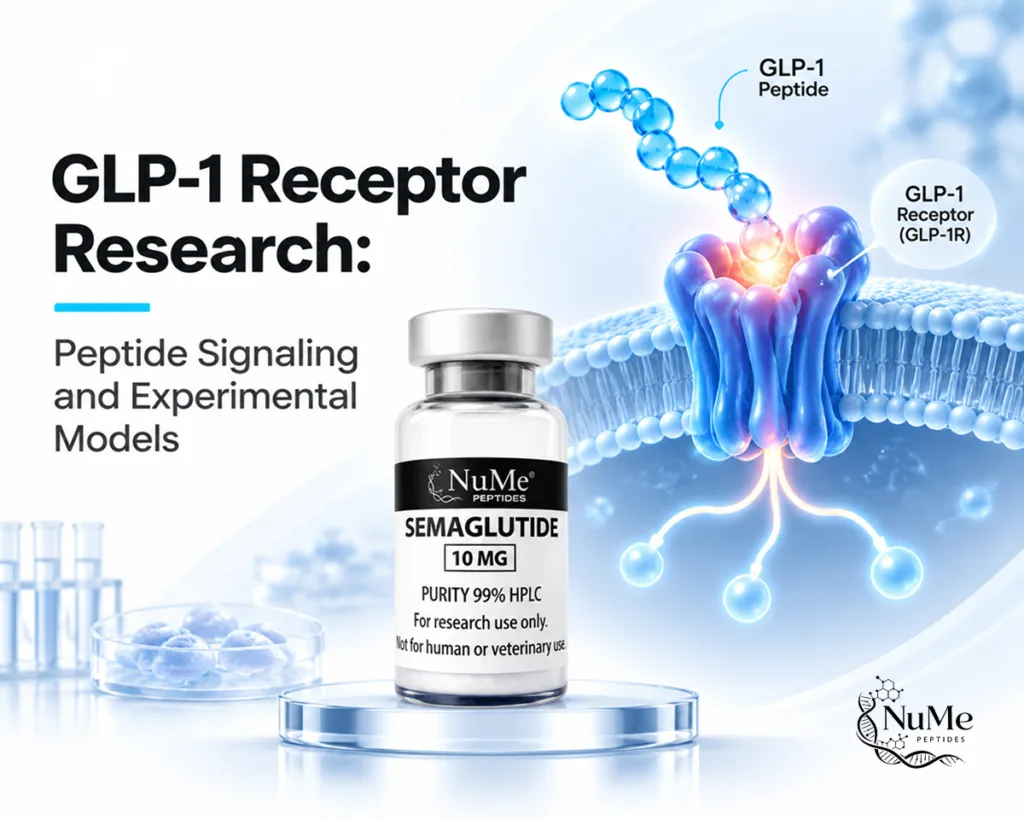
The glucagon-like peptide-1 receptor, or GLP-1R, is one of the most extensively studied metabolic receptors in modern peptide research. It […]
Cellular metabolism is organized through interconnected biochemical pathways that determine how nutrients are converted into energy, structural molecules, signaling intermediates, […]
Mitochondria are dynamic cellular organelles involved in far more than ATP production. They coordinate oxidative metabolism, redox balance, calcium handling, […]
Cellular aging is not driven by a single pathway. Instead, it develops through interconnected changes involving genomic stability, telomere maintenance, […]
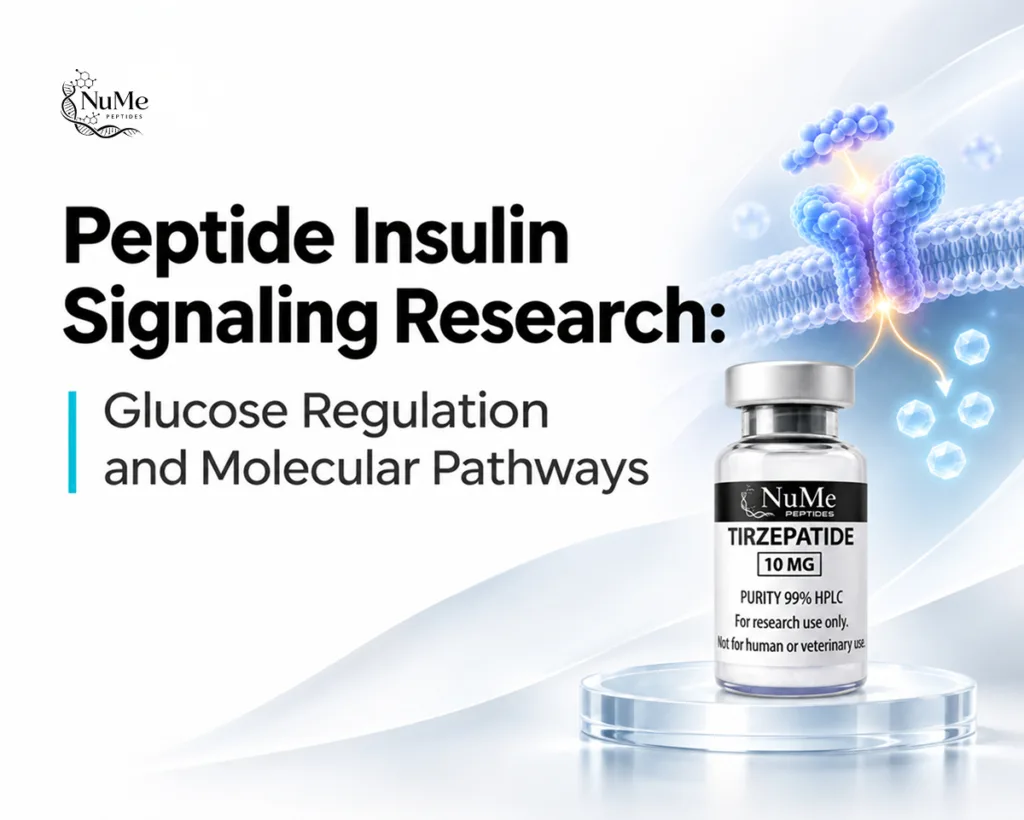
Insulin signaling is one of the central molecular systems regulating glucose uptake, glycogen synthesis, lipid metabolism, and cellular energy balance. […]
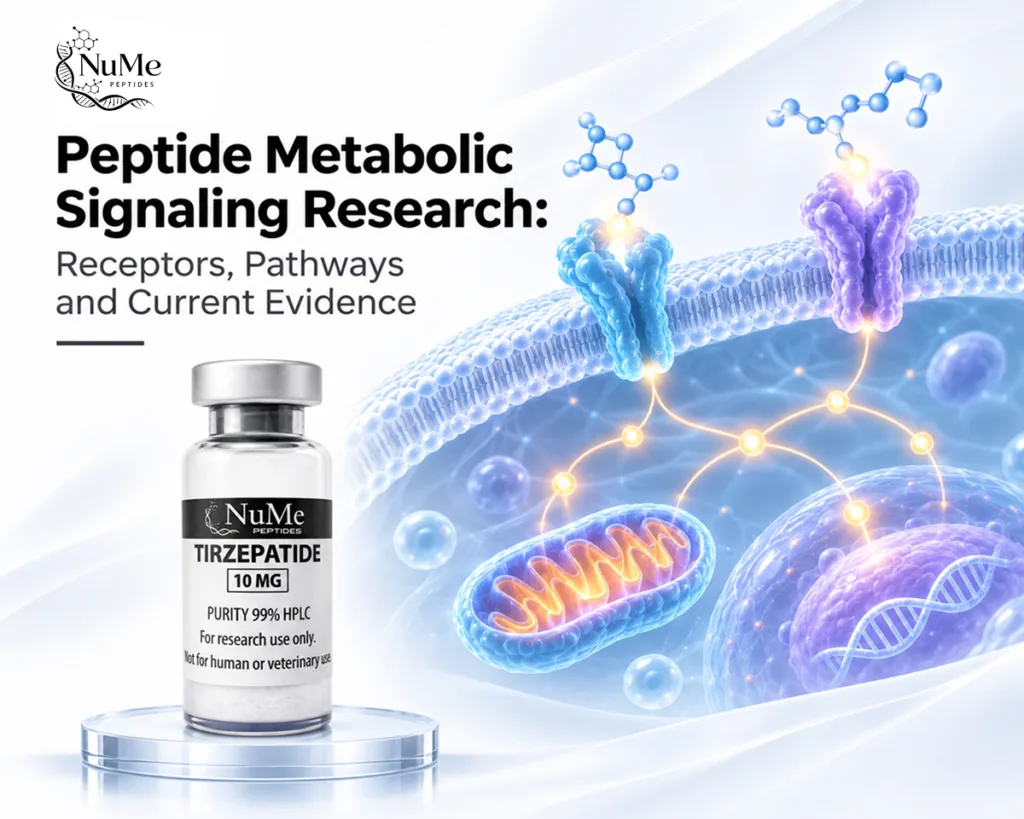
Metabolic regulation depends on networks of peptide hormones that communicate information about nutrient availability, glucose status, energy balance, and food […]
Metabolic biology depends on interconnected signals that regulate glucose handling, energy expenditure, appetite-related pathways, mitochondrial activity, lipid metabolism, and cellular […]
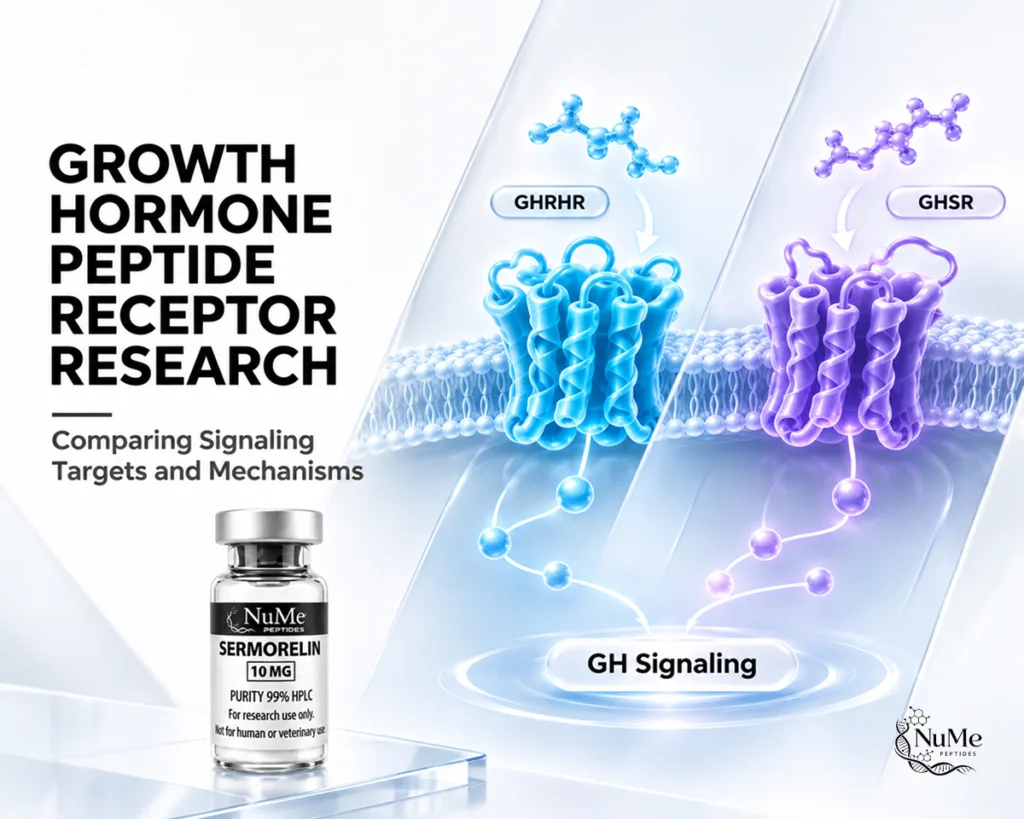
Growth hormone regulation involves several receptor systems that operate at different levels of the hypothalamic-pituitary-peripheral axis. Understanding which receptor a […]
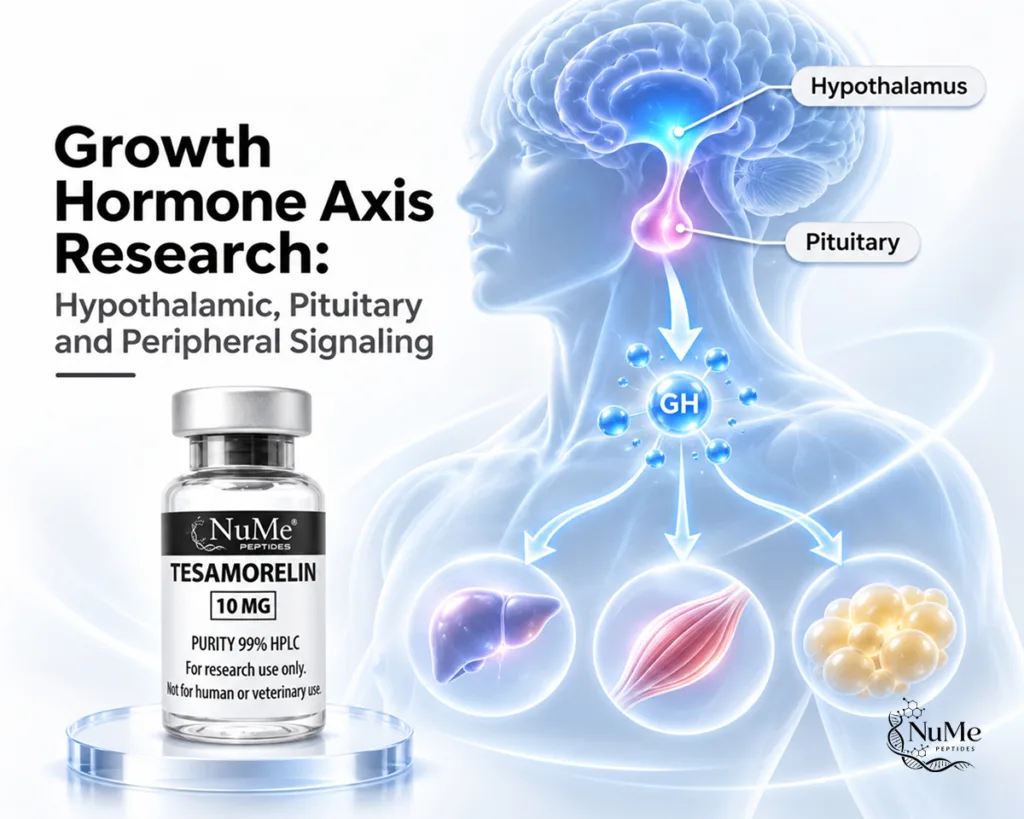
The growth hormone axis is a coordinated endocrine network connecting the hypothalamus, pituitary gland, peripheral tissues, growth hormone receptors, and […]
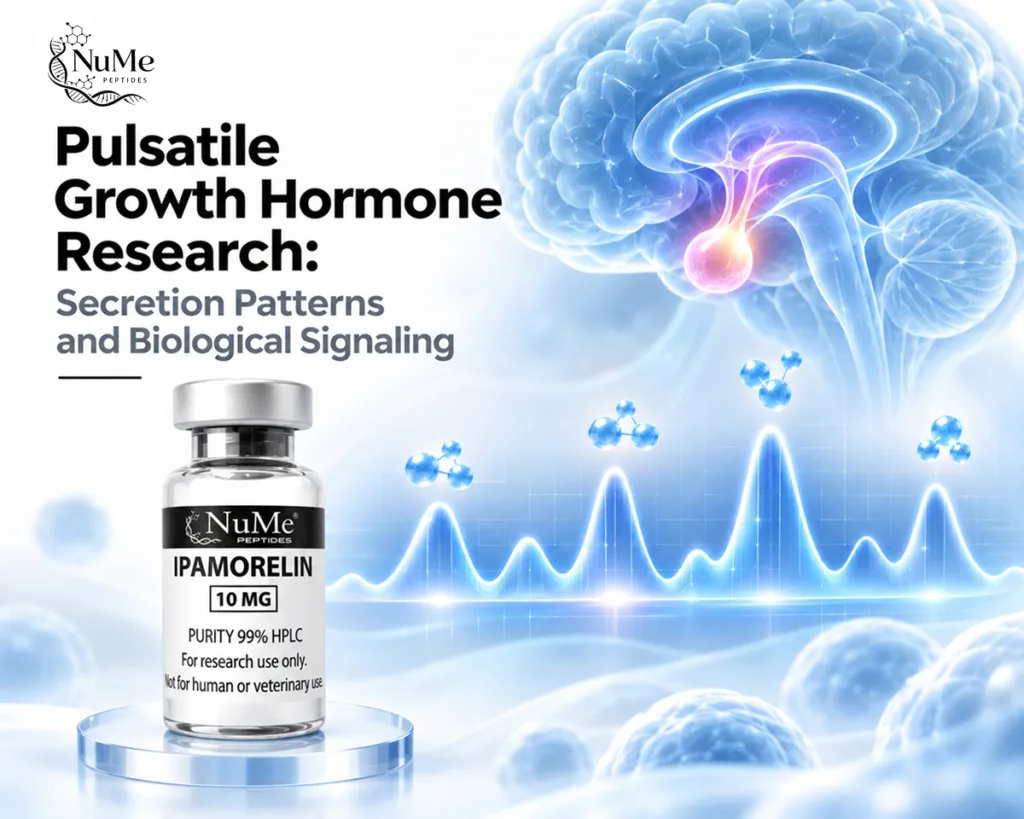
Growth hormone (GH) is not normally released into circulation at a constant rate. Instead, pituitary somatotroph cells produce a series […]